
Getting a letter or phone call asking you to return after a screening can send your mind straight to the worst place. But being called back after a mammogram in Australia is common, and most women who go back for more tests are told they don’t have breast cancer.
According to BreastScreen NSW, around 1 in 20 women need further tests after a routine screen, and around 90% of those women don’t have breast cancer. Here’s what the recall involves, how long results take and why it happens.
Quick Answer
- Being called back after a mammogram means an area on your images needs a closer look. It isn’t a diagnosis.
- The most common reasons for being recalled after a mammogram are a first screen with nothing to compare against, dense breast tissue, cysts and harmless calcium flecks.
- Assessment results are usually given on the day. If you need a needle biopsy, results usually take about a week.
- It can take a few weeks for the first screening letter to arrive, so call 13 20 50 if you haven’t heard after two weeks.
- If your mammogram was done privately, the report goes to the doctor who referred you, and they arrange your next step.
What Does Being Called Back After a Mammogram in Australia Mean?
Your images are read by doctors who specialise in scans (radiologists). If something looks unusual, they ask you to return so a team can check whether it’s normal for you or needs attention.
This often happens with a first mammogram, because there are no earlier images to compare with. Something that looks unusual can be completely normal for you.
The numbers are reassuring. About 6 in 1,000 women who have a breast screen are diagnosed with breast cancer. And Cancer Australia reports that recall rates after later screens stayed between 3.2% and 4.2% for women aged 50–69 from 1996 to 2019.
What are the Most Common Reasons for Being Recalled After a Mammogram?
- Your first mammogram. The team has no earlier images to compare with, so they check anything unfamiliar.
- Dense breast tissue. Uneven tissue distribution can appear abnormal. Extra images often show it’s normal glandular tissue.
- Cysts. These are fluid-filled sacs, and they’re usually harmless. If the edges aren’t clear on the image, more tests are needed.
- Calcifications. These are tiny flecks of calcium. They’re common and usually normal, but irregular groups can need a closer look.
- Scarring. A past breast operation can leave scar tissue, which makes images harder to read.
- A change since your last screen. Your new images are compared with previous ones, so anything different gets checked.
What Happens at an Assessment Clinic?
If you’ve been called back after a mammogram in Australia, the clinic visit follows a similar pattern across all states. A team will explain each step. You’ll sign a consent form before any tests begin. Depending on what the team needs to see, tests can include:
- More mammogram images, sometimes a 3D mammogram (tomosynthesis)
- A breast ultrasound
- A clinical breast examination
- A needle biopsy, where a small sample of cells or tissue is taken from the area
In NSW, assessment clinic tests are free. A few practical tips:
- Wear a two-piece outfit
- Skip powder, deodorant and creams on the day
- Bring your previous mammogram images if your last screen wasn’t with BreastScreen
- Allow plenty of time, because tests can take a while
- Bring a support person if you can
Should I Be Worried If I Need an Ultrasound?
No. An ultrasound is a normal part of assessment. It uses sound waves rather than radiation to provide more detail of the breast tissue.
It’s often used to tell a fluid-filled cyst from a solid area. Most women who are recalled are cleared, and many findings turn out to be benign breast lumps, meaning non-cancerous.
How Long Does it Take to Get Abnormal Mammogram Results?
How long it takes to get abnormal mammogram results depends on which stage you’re at. Here’s the typical timeline:
- Screening result letter: about two weeks, but up to 2 to 6 weeks to arrive by post. Call 13 20 50 if nothing has come after two weeks.
- Assessment results: most women get them on the day.
- Needle biopsy results: usually within a week in NSW.
Most women will be told everything is normal. If you’re aged 50–74, BreastScreen NSW will send a reminder for your next screen in two years.
Some women are asked to return sooner for a repeat scan or need further tests. If cancer is found, you’ll be referred to a doctor outside the screening program to organise treatment.
What if Your Abnormal Mammogram Was Done Privately?
Not every mammogram goes through BreastScreen, so a private recall works a little differently. If your GP sent you to a private radiology clinic, the report goes back to your GP.
If it shows something abnormal, your GP will usually arrange further imaging. They can also refer you to a breast surgeon for an opinion. It’s worth booking a follow-up appointment with your GP as soon as the report comes back, rather than waiting to be contacted.
When Do You Need a Breast Surgeon?
Many recalls end with a normal result and a return to routine screening. Some end with a referral, and that doesn’t always mean cancer. Surgeons also assess lumps and changes that turn out to be benign. If you’re curious, here are six signs a breast lump needs surgery, even when it isn’t cancer.
Waiting for answers is the hardest part. Being called back after a mammogram in Australia is stressful, but for most women, the recall ends with reassurance. Knowing how long it takes to get abnormal mammogram results and what each test involves makes the wait easier to manage. Screening is how changes are found early, and breast cancer awareness is a good reason to book yours if it’s overdue.
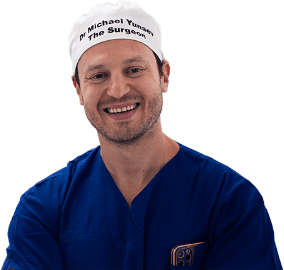
Need a specialist opinion after an abnormal mammogram? Dr Michael Yunaev is a specialist breast and general surgeon at BB Clinic in Sydney. Our team can review your results, explain your options and plan the next step with you. Find out more about our breast cancer clinic in Sydney.
Treatment depends on your diagnosis and your individual circumstances. For a lump that’s non-cancerous, options can include benign breast surgery. If cancer is found, a lumpectomy surgery removes the cancer and a small margin of surrounding tissue, and may be suitable for some women. Any surgery carries risks, so you should always seek advice from a qualified medical practitioner.








 Ask a Question
 Call Us
 Book a Consult