
A breast cancer diagnosis brings a wave of decisions, and few feel as personal as choosing how your surgery will be performed. For many women, breast-conserving surgery (removing the cancer while keeping the rest of the breast intact) is a safe and effective option. But even within breast-conserving surgery, there’s an important distinction to understand: standard breast-conserving surgery (BCS) and oncoplastic breast-conserving surgery (OBCS).
Both aim to completely remove the cancer. The difference lies in how much thought goes into what your breast looks and feels like afterwards. Here’s what each approach involves, how they compare, and how a specialist oncoplastic surgeon can help you decide what’s right for your body and your treatment plan.
Key Takeaways
- Standard breast-conserving surgery (BCS) removes the tumour with a margin of healthy tissue, prioritising cancer removal; shape and symmetry aren’t always part of the plan.
- Oncoplastic breast-conserving surgery (OBCS) combines tumour removal with plastic surgery reshaping techniques, done in the same operation.
- Oncoplastic techniques generally allow larger tissue volumes to be removed while still achieving a good cosmetic result, which can help some women avoid a mastectomy altogether.
- Survival and local recurrence outcomes are broadly similar between the two approaches; the main differences are in aesthetic outcome and, in some studies, re-excision rates.
- The right choice depends on tumour size and location, breast size, and personal priorities.
What Is Standard Breast-Conserving Surgery?
Standard breast-conserving surgery (sometimes called a lumpectomy or wide local excision) removes the tumour along with a margin of healthy tissue around it, while leaving the majority of the breast in place. It’s typically followed by radiotherapy to reduce the risk of the cancer returning.
Research comparing outcomes across nearly 14,200 patients found that breast-conserving surgery followed by radiotherapy was associated with better 10-year survival than mastectomy, whether or not the mastectomy was followed by radiotherapy. This reflects a broader, well-established finding in breast cancer research: for eligible patients, conserving the breast is not a compromise on safety.
Where standard BCS can fall short is aesthetically. Because the surgical goal is simply to excise the tumour with clear margins, the resulting shape, symmetry or volume of the breast isn’t always factored into the plan, particularly when a larger amount of tissue needs to be removed relative to breast size.
What Is Oncoplastic Breast-Conserving Surgery?
Oncoplastic breast-conserving surgery combines the cancer-removal principles of standard BCS with plastic and reconstructive surgery techniques, performed at the same time. Rather than treating tumour removal and breast shape as separate concerns, an oncoplastic surgeon plans both together, reshaping and, where needed, adjusting the position of the nipple, tissue, and skin so that the breast heals with better symmetry, contour, and volume.
This matters because it changes what’s possible. Oncoplastic breast-conserving surgery overcomes some of the limitations of the standard approach by allowing larger resection volumes while avoiding deformities and achieving better aesthetic outcomes. This means some women who might otherwise have been advised to have a mastectomy can be offered breast conservation instead.
How the Two Approaches Compare
The clinical evidence gives a fairly clear, if nuanced, picture:
Aesthetic Outcomes
A comparative study found statistically significant improvements in symmetry, volume, nipple position and scar visibility with the oncoplastic approach compared to standard BCS. A large meta-analysis pooling data from over 46,000 patients across 52 studies similarly found oncoplastic surgery associated with significantly better cosmetic results and fewer complications overall compared with conventional breast-conserving surgery.
Re-Excision and Margins
This is where the research is more mixed. Several studies (including a pooled analysis of nearly 7,000 patients) found oncoplastic surgery associated with significantly lower re-excision rates, while local recurrence and the eventual need for mastectomy showed no significant difference between the two techniques. A separate study reported an even larger gap: an 8% re-excision rate in the oncoplastic group versus 31% in the standard group, with resection margins nearly double in size in oncoplastic patients.
However, not every study agrees. The most likely explanation is that oncoplastic surgery is often chosen precisely for more complex cases (larger or more advanced tumours), so outcomes depend heavily on patient selection and surgeon experience, not the technique alone.
Reducing Mastectomy Rates
This is arguably the most meaningful benefit for patients. By allowing larger volumes of tissue to be removed while still achieving an acceptable shape, oncoplastic techniques give surgeons more room to attempt breast conservation in cases where a standard lumpectomy would leave a poor cosmetic result, which are cases that might otherwise be steered towards mastectomy by default.
How to Know What’s Right for You
There’s no single “better” option. The right choice depends on several factors specific to your diagnosis and body:
- Tumour size relative to breast size. Larger tumours in smaller breasts often benefit most from oncoplastic techniques.
- Tumour location. Some positions (such as the lower pole) are more prone to visible deformity with standard excision.
- Breast size and density. Larger or more ptotic (drooping) breasts may have more scope for reshaping.
- Your priorities. Some women prioritise the shortest, simplest procedure; others place more weight on long-term aesthetic outcome.
- Whether you may need radiotherapy, which can affect healing and the timing of reconstruction.
This is a conversation to have in detail with a surgeon who is trained in both breast cancer surgery and the plastic surgery techniques oncoplastic approaches require. Not every general or breast surgeon has this dual training.
Why Surgeon Experience Matters
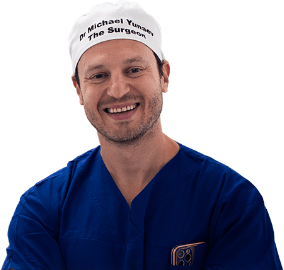
Oncoplastic surgery sits at the intersection of two disciplines, and outcomes are closely tied to surgeon expertise. At BB Clinic, Dr Michael Yunaev is a specialist Oncoplastic Breast and General Surgeon with postgraduate training in oncoplastic breast conservation techniques, as well as further training in aesthetic breast and body surgery. This combination means treatment planning considers both the oncological priority and the aesthetic outcome, from the outset, rather than as an afterthought.
If you’ve been diagnosed with breast cancer or are exploring your surgical options, an initial consultation is the best way to understand which approach suits your specific case, and what outcome you can realistically expect.
Frequently Asked Questions
Is oncoplastic surgery safe for treating breast cancer?
Yes. Multiple studies show similar rates of local recurrence between oncoplastic and standard breast-conserving surgery, meaning the added reconstructive element doesn’t compromise cancer treatment. The technique is widely used and taught within specialist breast surgery training programs.
Does oncoplastic surgery cost more than standard breast-conserving surgery?
It can, since it typically involves more complex surgical planning and sometimes a longer procedure. Costs vary by case complexity, hospital and any additional reconstructive elements involved, so it’s best discussed directly during a consultation.
Can oncoplastic surgery help me avoid a mastectomy?
For some patients, yes. By allowing larger tissue volumes to be removed while maintaining an acceptable shape, oncoplastic techniques can make breast conservation possible in cases where standard surgery alone might not achieve a good result.
Will I need radiotherapy after oncoplastic breast-conserving surgery?
In most cases, yes, radiotherapy following breast-conserving surgery (standard or oncoplastic) is standard practice to reduce the risk of local recurrence, in line with routine treatment protocols for breast-conserving approaches.









 Ask a Question
 Call Us
 Book a Consult