
A non-surgical tummy tuck is an umbrella term for a group of treatments that reduce fat, tighten skin or tone the abdominal muscles without a single incision. For the right person, these treatments can refine the shape of the abdomen with no scars and little recovery time. What they can’t do is remove loose skin or repair separated abdominal muscles.
This guide covers the real treatments behind the non-surgical tummy tuck label, who they suit, how well they work, and how the cost compares with surgery in Sydney.
Key Takeaways
- A non-surgical tummy tuck combines fat-reduction, skin-tightening and muscle-stimulation technologies.
- It works best for people close to their goal weight with stubborn fat and mild skin laxity, not for significant excess skin.
- No non-surgical treatment can remove loose skin or close a true abdominal muscle separation (diastasis recti). Those need surgery.
- Results build gradually over weeks to months and tend to be subtle rather than dramatic.
- A course of treatment typically costs roughly between $1,000 and $3,000.
What Is a Non-Surgical Tummy Tuck?
Non-surgical tummy tuck describes any non-invasive treatment aimed at flattening or firming the abdomen without surgery. Clinics often group several energy-based technologies under the term, each targeting a different layer: fat, skin, or muscle.
Australia’s medical device regulator and its overseas counterparts classify these devices by whether they cool, heat, or stimulate tissue. Cold-based fat freezing, heat-based radiofrequency and laser, and electromagnetic muscle stimulation are the main categories.
Because each device does one job well, a non-invasive tummy tuck usually involves a combination of treatments tailored to your abdomen’s needs.
Non-Invasive Tummy Tuck Treatments Explained
Fat Reduction
The most established non-surgical fat treatments either freeze or heat fat cells so the body clears them over the following weeks. Cryolipolysis (fat freezing, best known by the brand CoolSculpting) uses controlled cooling to break down fat cells in a targeted area, and the effect is similar to liposuction in that it reduces fat but not skin.
Heat-based devices work the other way. Microwave and radiofrequency systems raise the temperature of the fat layer to break down cells while also stimulating the overlying skin. BB Clinic’s ONDA Coolwaves treatment, for example, uses microwave energy to target stubborn fat, cellulite, and skin laxity in a single session.
Skin Tightening
Radiofrequency and ultrasound treatments heat the deeper layers of the skin to stimulate collagen production, which firms and tightens the skin’s surface over time. These are the treatments most often marketed as the “tuck” in a non-invasive tummy tuck, because they can improve mild skin looseness, the kind left after modest weight change or pregnancy. The change is gradual and modest, not the dramatic tightening surgery produces.
Muscle Stimulation
Muscle-stimulation devices are the newest piece. High-intensity focused electromagnetic (HIFEM) technology (the basis of devices such as Emsculpt) triggers rapid, intense muscle contractions that voluntary exercise can’t match, building tone in the abdominal wall. It tones muscle; on its own, it doesn’t remove fat or skin.
Does a Non-Surgical Tummy Tuck Work?
Yes, within limits. For someone close to their goal weight with stubborn fat and mild skin laxity, a non-surgical tummy tuck can produce a visibly firmer, flatter abdomen. Non-surgical body contouring isn’t a weight-loss treatment, though, and the best candidates are people near their target weight who want to refine specific areas rather than lose a significant amount of weight.
Results appear gradually, usually over two to six months as the body responds, and they are refinements rather than transformations.
What a Non-Surgical Tummy Tuck Can’t Do
It can’t remove loose skin. Energy-based skin tightening firms mild laxity, but it can’t excise a significant apron of excess skin. Fat freezing reduces fat but not skin, and where loose skin is the problem, surgical procedures are generally the better route. That matters most after pregnancy or major weight loss, where stretched skin doesn’t retract on its own. If that describes you, post-weight-loss-surgery is likely a better option.
It also can’t close separated abdominal muscles. Pregnancy commonly stretches the two bands of the “six-pack” muscle apart along the midline, a condition called diastasis recti. Muscle-stimulation treatments can strengthen and tone the abdominal wall, but they can’t stitch a true separation back together. Repairing a significant diastasis means surgically bringing the muscles back to the midline, the muscle-repair element of a full abdominoplasty, sometimes combined with breast surgery in a mummy makeover.
Non-Surgical Alternatives to a Tummy Tuck: The Cost Comparison
Cost is usually why people look at the non-surgical alternatives to tummy tuck surgery first.
A course of non-surgical treatment is far cheaper up front. At BB Clinic, ONDA 4 treatment packages start at $999, with most people needing three to five sessions. A full abdominoplasty in Sydney generally costs $20,000+, depending on rebate eligibility.
You can see the full breakdown of what a tummy tuck costs and how the different types of tummy tucks address quite different problems.

Which Option Is Right for You?
The right choice comes down to what’s driving the shape of your abdomen, and the non-surgical alternatives to tummy tuck surgery suit some concerns better than others. If you’re near your goal weight, have stubborn fat or mild skin looseness, and want minimal downtime, a non-surgical tummy tuck is a reasonable option to start with. If you’re dealing with hanging skin or a muscle separation after pregnancy or weight loss, surgery is the treatment that addresses those problems.
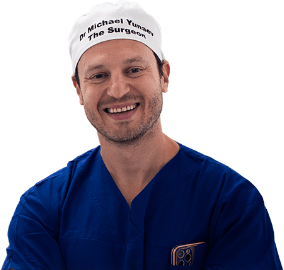
The most reliable way to know which route fits is an in-person assessment. At BB Clinic, Dr Michael Yunaev will assess your skin, fat, and muscle tone and clearly tell you whether a non-surgical approach can meet your goals or whether surgery is the better path
Book a consultation on (02) 9819 7449 or request an appointment online.
This article is general information only and is not medical advice. Non-surgical and surgical procedures carry risks and benefits that depend on your individual circumstances. Results vary from person to person. Please seek a consultation with a qualified practitioner before making any decisions.






 Ask a Question
 Call Us
 Book a Consult